I’m the curator of this show running from Nov 22, 2025 to April 6, 2026
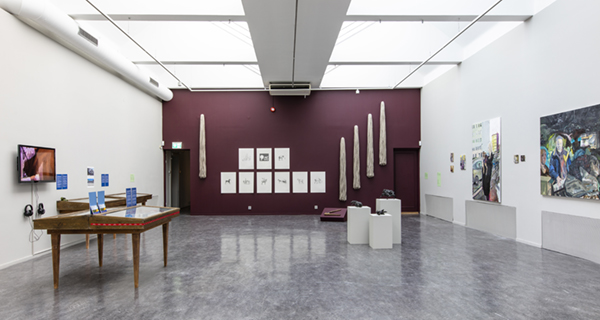
From left to right: Appetizer by Nathalia Brichet and Camilla Nørgaard, Archive of Lost Tails by Evamarie Lindahl, three bronze sculptures by Asmund Arle, paintings by Jonatan Pihlgren. Photo Helen Toresdotter
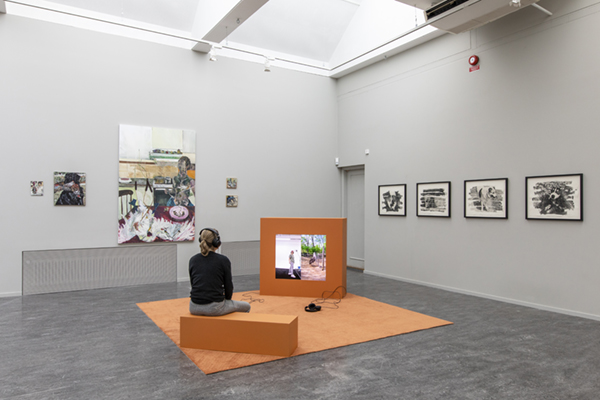
Paintings by Jonatan Pihlgren, videos by Smac McCreanor, photos by Lisa Strömbeck. Photo Helen Toresdotter
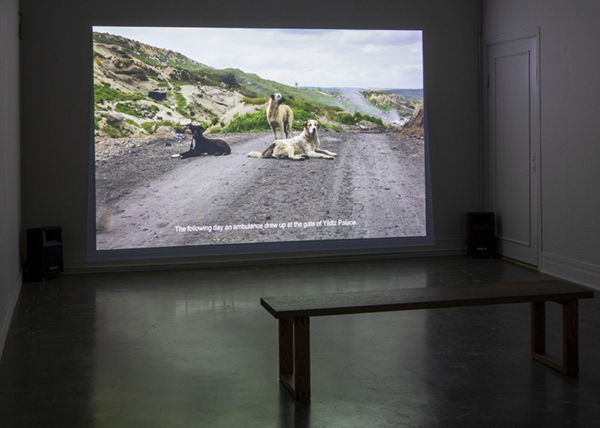
I am the dog that was always here (loop), Annika Eriksson. Photo Helen Toresdotter
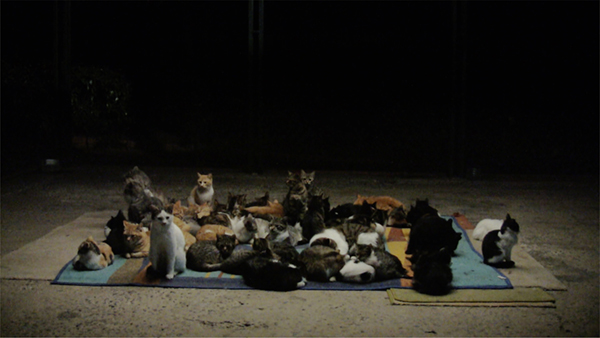
Video still from The Community by Annika Eriksson.
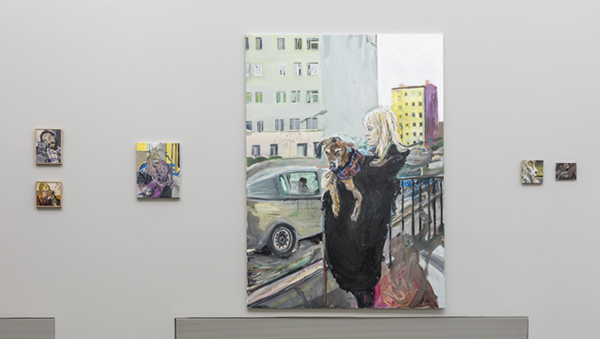
Paintings by Jonatan Pihlgren. Photo Helen Toresdotter
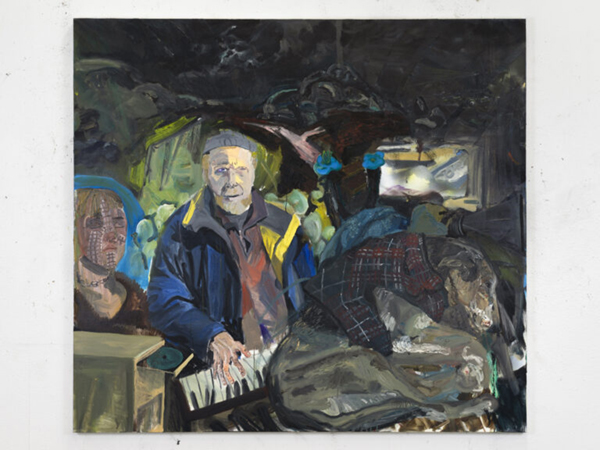
Avskedet/The Farewell by Jonatan Pihlgren
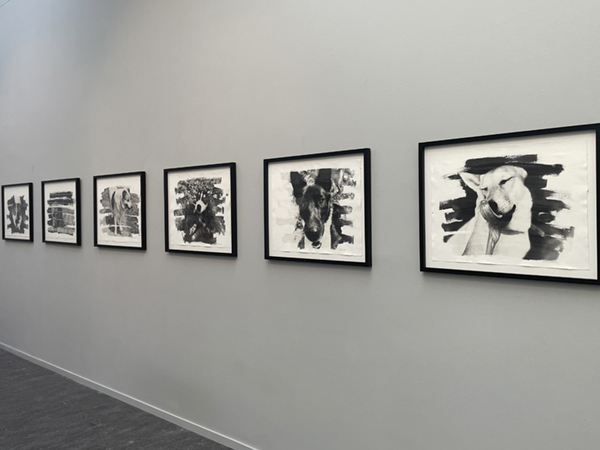
Abandoned Dogs, Ukraine by Lisa Strömbeck
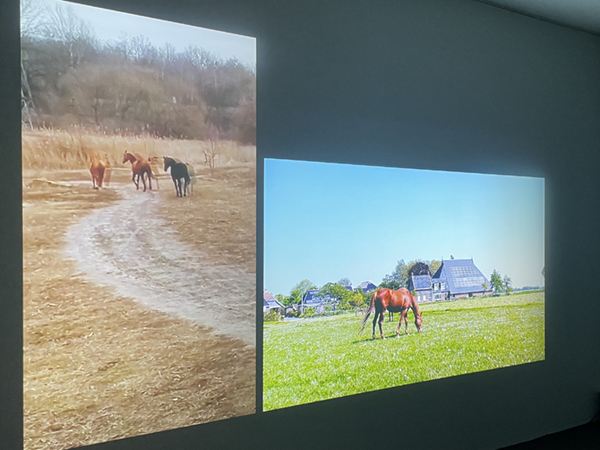
Yulia’s Horses, video installation by Lisa Strömbeck and Yulia Molokova
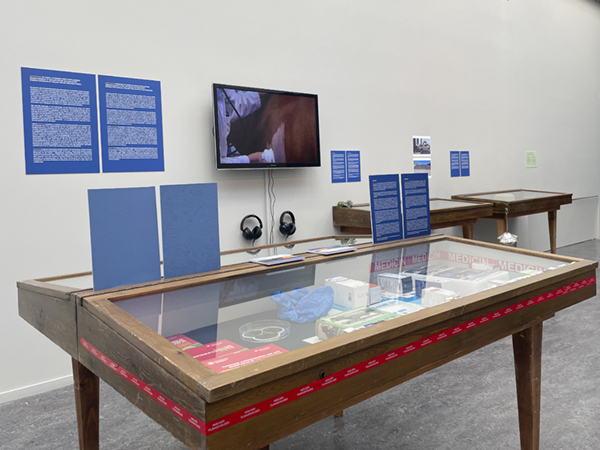
Appetizer is part of a much larger anthropologic project by Nathalia Brichet and Camilla Nørgård shown at Copenhagen University, Department of Veterinary and Animal Sciences. The project shows facts about the efficiency in the industry of production animals in Denmark. Production animals is the direct translation of what cows, pigs, hens and chicken are called in Denmark.
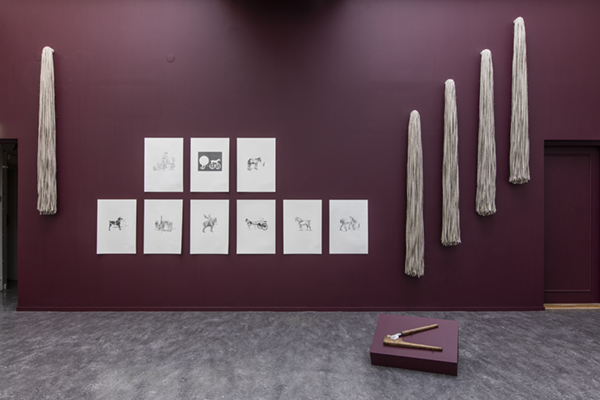
Part of the project Archive of Lost Tails by Evamarie Lindahl. Photo Helen Toresdotter
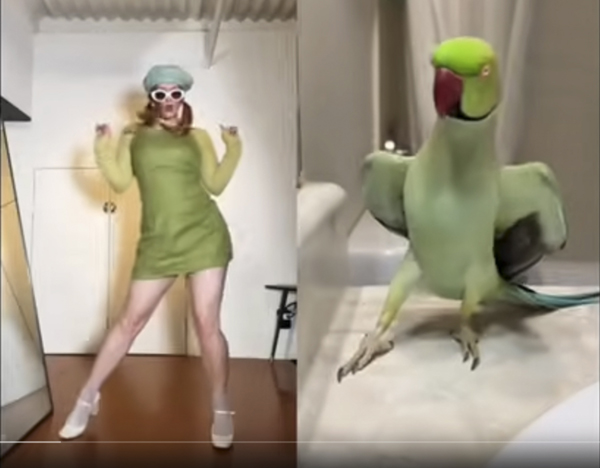
Video still from Smac versus Animals by Smac McCreanor
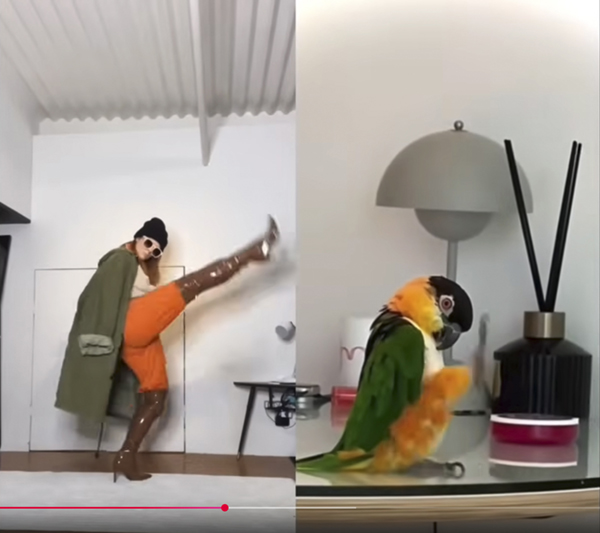
Video still from Smac versus Animals by Smac McCreanor
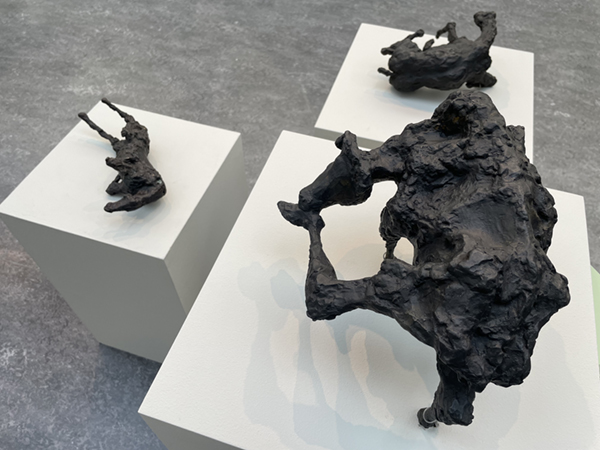
Ko 1, Häst som rullar runt 1 och 2, bronze sculptures by Asmund Arle
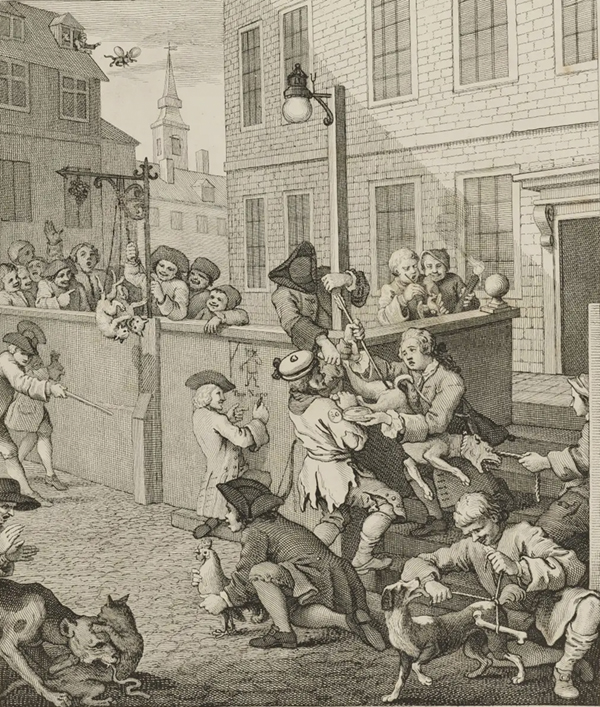
First Stage of Cruelty, William Hogarth 1751
Intro texts in swedish and english:
MÄNNISKOR OCH ANDRA DJUR
Hundens DNA avvek från vargens för mellan 15 000 och 40 000 år sedan. Uroxen domesticerades för omkring 10 000 år sedan. Sedan dess har väldigt mycket hänt. Idag bor nästan alla västvärldens kor, grisar och höns i fabriker och är osynliga för de flesta människor. De ska växa snabbt för att ge oss föda så billigt som möjligt. Sällskapsdjuren fick däremot en statushöjning då människor flyttade från landet till staden och tog katter och hundar med in i villor och lägenheter. Idag räknas de som familjemedlemmar. Oavsett hur de domesticerade djuren lever, är det vi människor som har makten över dem.
Lisa Strömbeck, konstnär och curator för denna utställning, växte upp på ett litet lantbruk i östra Skåne. För tjugo år sedan gjorde hon en soloutställning i dessa rum med titeln Människor och djur. Då hade diskussionen om speciesism knappt startat, medan den idag är en term som används liksom rasism eller sexism. Biologiskt sett har människan inte längre en särställning. Forskningen kartlägger art efter art vad gäller känslor, språk och instinkter och den visar att vi däggdjur är väldigt lika. Idag talar man alltså om människor och andra djur eller om ickemänskliga djur.
Akademiskt går det framåt men i praktiken styr kapitalismen. Sverige har ett något bättre djurskydd än resten av EU, exempelvis så är Sverige ensamma om en lag som kräver att nötdjur ska gå på grönbete 2–4 månader om året. Ofta höjs röster från svenska lantbrukare att lagen borde ändras så att de kan konkurrera med priserna internationellt. Men är det nödvändigt? För att citera Mahatma Ghandi: ”En nations storhet och dess moraliska framsteg, kan bedömas utifrån hur dess djur behandlas.”
Medverkande konstnärer: Annika Eriksson, Asmund Arle, EvaMarie Lindahl, Jonatan Pihlgren, Nathalia Brichet och Camilla Nørgård, Lisa Strömbeck, Smac McCreanor, William Hogarth.
HUMANS AND OTHER ANIMALS
The DNA of dogs began to deviate from that of wolves around 15,000 to 40,000 years ago. The aurochs was domesticated around 10,000 years ago. Since then a lot has happened. Today, almost all of the cows, pigs, and chickens of the Western world live in factories and are invisible to most people; they are supposed to grow quickly in order to provide us with food as cheaply as possible. Companion animals, on the other hand, have enjoyed a rise in status as people moved from the country to the city and brought cats and dogs with them into houses and apartments. Today, they are seen as family members. Regardless of how these domesticated animals live, though, it is we humans who rule over them.
Lisa Strömbeck, artist and curator of this exhibition, grew up on a small farm in eastern Scania. Twenty years ago, she did a solo exhibition in these rooms, entitled Humans and Animals. At that time, the discussion of speciesism had hardly begun, but today, it is a term that is used alongside “racism” or “sexism.” Biologically, humans are no longer seen as exceptional. Researchers are mapping one species after another in terms of emotions, language, and instincts, and it is showing that we mammals are incredibly similar. As a result, today we tend to speak of humans and other animals or about non-human animals.
Academically, this mindset is developing – but in practice, capitalism reigns. Sweden has a somewhat better system of animal protections than the rest of the EU; for example, Sweden alone has a law demanding that cows should be out to pasture 2—4 months of the year. But Swedish farmers often say they think the law should be changed so that they can compete with other countries’ prices in the international market. But is that really necessary? To quote Mahatma Gandhi: “The greatness of a nation and its moral progress can be judged by the way its animals are treated.”
Contributing artists: Annika Eriksson, Asmund Arle, EvaMarie Lindahl, Jonatan Pihlgren, Nathalia Brichet and Camilla Nørgård, Lisa Strömbeck, Smac McCreanor, William Hogarth.
